Understanding intimate self-care among riverine women: qualitative research through the lens of the Sunrise Model - Revista Brasileira de Enfermagem


 , , , , , , ,
 Revista Brasileira de Enfermagem. 2024;77(2):e20230364
DOI: 10.1590/0034-7167-2023-0364
Publication date: 07-19-2024
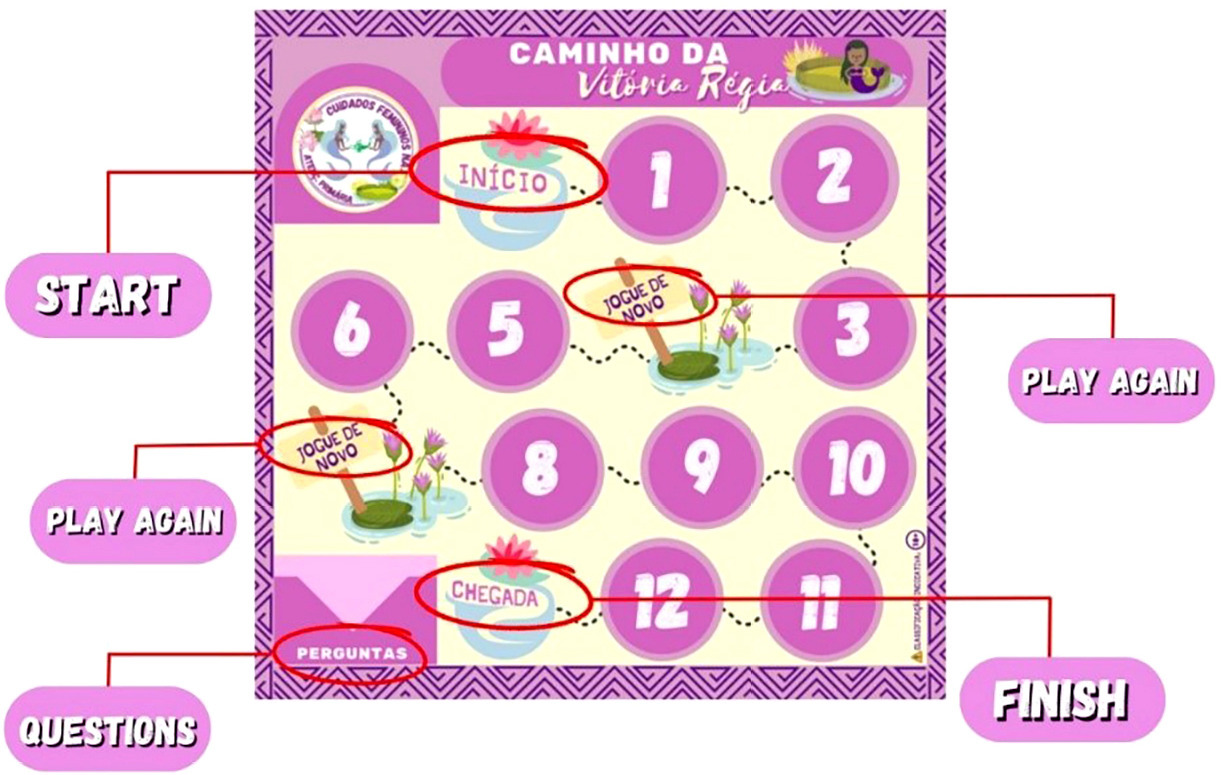
to contribute to the change in understandings and knowledge of the popular system among riverine women about female intimate self-care before and after the application of an educational dynamic.
a qualitative-participative study based on the Sunrise Model. Twenty women registered at a Basic Health Unit on the Combu island, state of Pará, Brazil, participated in the second half of 2022. Semi-structured interviews were conducted before and after the educational dynamic; followed by reflective inductive analysis.
these are pointed out: a female mechanism of generational education; the cultural act of bathing as synonymous with intimate self care and disease prevention; intimate care with medicinal herbs; lack of professional system approach to the topic; fear of using “muddy water”; and lack of financial resources to purchase specific products for genitourinary care.
companionship and social factors drive intimate self-care; however, riverine women experience taboos, ignorance, and poverty.
Search
Search in:
Search
Search in:


